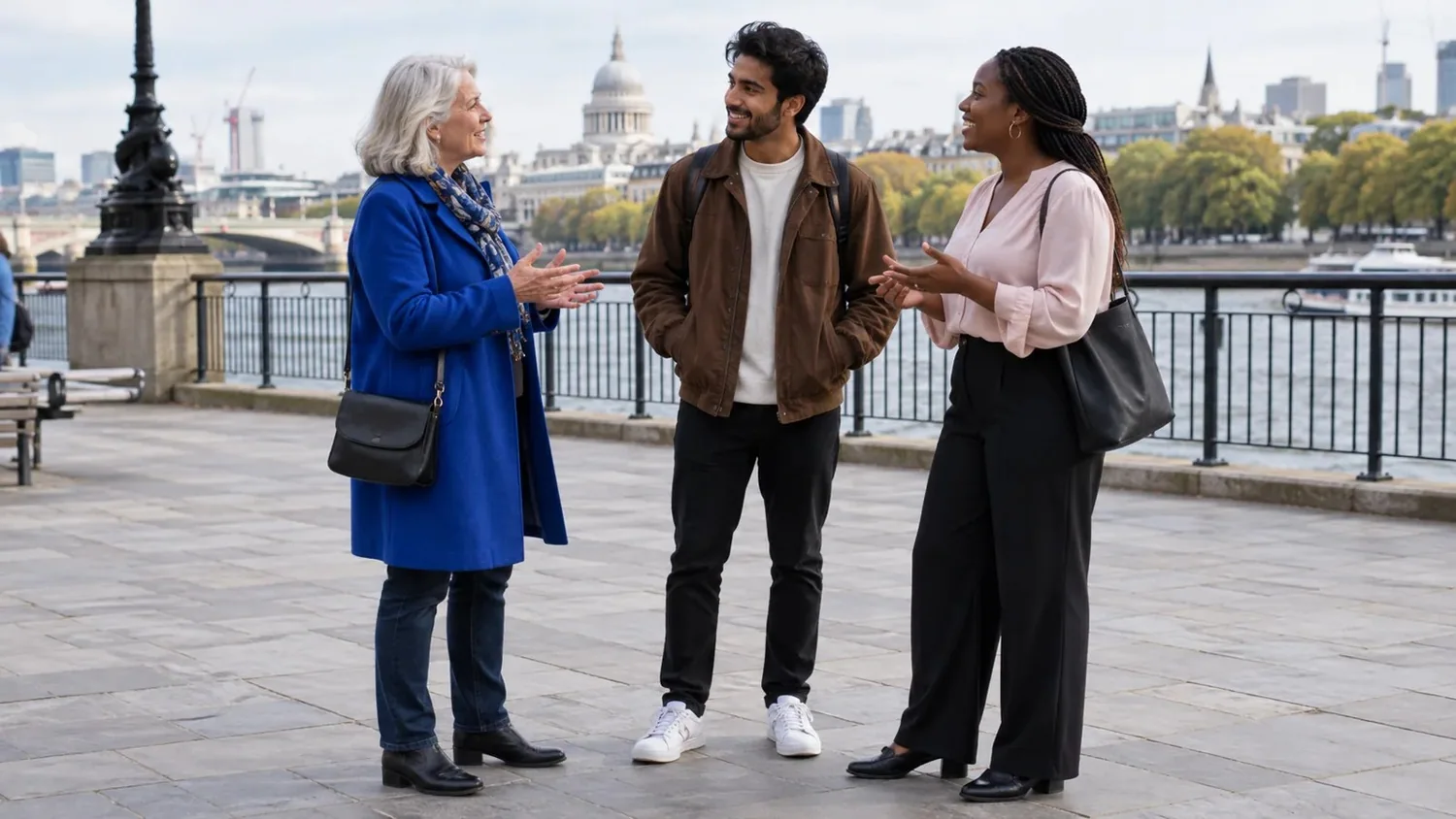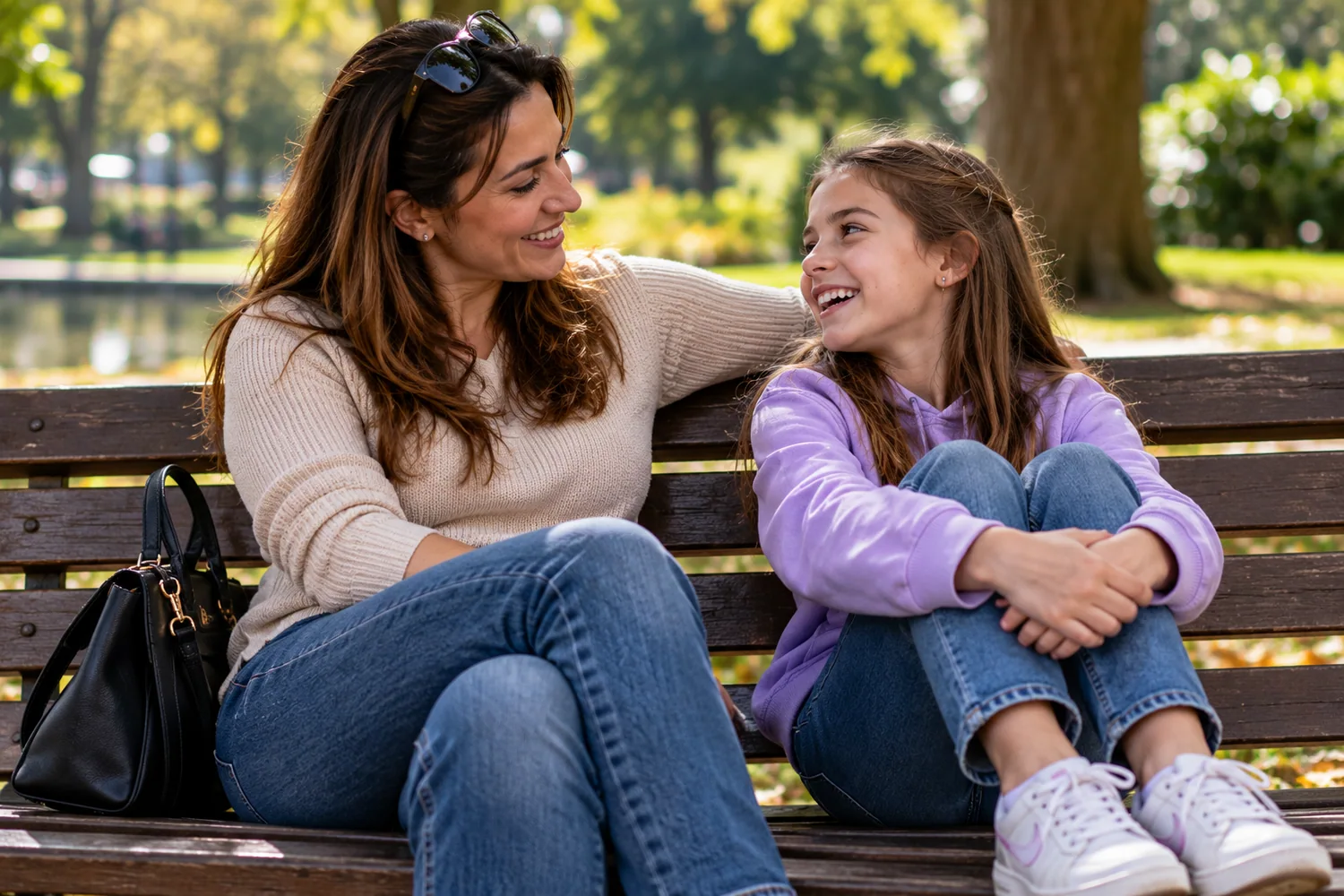

An interview can make ordinary movements look extraordinary. Someone sits forward to hear a question, adjusts a jacket, pauses before speaking or looks down to gather a thought. Those actions are visible; the reasons behind them are not. Reading body language responsibly means noticing the whole situation rather than scoring each movement as confidence or anxiety.
Begin with the demands of the setting
An interview is rarely a neutral social meeting. Candidates may be concentrating on unfamiliar questions, worrying about time, coping with a noisy room or adjusting to a chair and table they have never used before. An interviewer may be taking notes rather than making eye contact. These practical details matter whenever we describe a person's nonverbal behaviour. An uncomfortable chair can produce fidgeting without telling us anything useful about motivation.
Watch posture as a sequence
Instead of asking whether someone has an 'open' or 'closed' posture, notice what changed and when. Did the candidate lean forward after a complicated question? Did they move their hands from the desk to their lap while listening? Did they straighten when asked to explain a project? Each change could reflect a new task: listening, recalling information, explaining a point or simply becoming more comfortable. A single photograph removes that sequence and makes interpretation weaker.
Gestures help structure answers
Hands may illustrate a process, mark several steps or emphasise a comparison. They may also remain still while someone searches for the right words. Neither style proves competence. A person who gestures broadly is not automatically more truthful than one whose movements are restrained. Listen to the answer and observe whether gesture, speech and attention are working together within that individual's usual way of communicating.
Eye contact is not an honesty test
Candidates vary in how much eye contact feels comfortable, and many people look away while thinking. Direct gaze can be influenced by culture, neurodiversity, vision, anxiety and the location of notes. A useful interviewer makes questions clear and checks the information offered rather than treating gaze direction as proof of sincerity. An observer can describe a change in gaze without attaching a character judgment to it.
A useful comparison
Imagine two candidates: one sits very still and speaks clearly; the other moves their hands and shifts position as they answer. It would be easy to call the first confident and the second nervous. Yet the first may be actively controlling movement, while the second may naturally explain ideas through gestures. Their answers, circumstances and individual baselines provide more reliable context than a posture label.
Practise an observation, not a diagnosis
After watching a short interview scene, write three sentences. First describe a visible action, such as 'She put both palms on the table.' Then identify the immediate context, such as 'The interviewer asked her to outline the project timeline.' Finally offer two possibilities: she may be organising her explanation, or simply resting her hands. SEE's approach is Observe → Interpret → Check → Reconsider. The goal is better questions and fairer communication, not mind reading.