

21 October 2026
Three Everyday Body-Language Scenes to Practise With
Practise describing body language in a meeting, at a café and on a station platform, with multiple explanations for every cue.
Read articleSEE Blog / Topic
How environment, sequence and individual differences influence interpretation.
21 October 2026
Practise describing body language in a meeting, at a café and on a station platform, with multiple explanations for every cue.
Read article
21 October 2026
A practical method for separating visible behaviour from the stories we tell ourselves about it.
Read article
21 October 2026
Eye contact, distance, greeting and gesture conventions vary. Learn how to observe respectfully without stereotyping individuals.
Read article
21 October 2026
Disagreement can change gestures, posture, gaze and distance. The goal is to notice the interaction and respond thoughtfully, not assign hidden motives.
Read article
21 October 2026
Stations, queues and busy venues constrain distance. Learn to distinguish practical movement from interpersonal signals.
Read article
21 October 2026
Smiles can accompany enjoyment, politeness, reassurance and more. Their meaning emerges from context, sequence and the individual.
Read article
21 October 2026
Touching the face, adjusting clothing or moving a hand may be habit, comfort, concentration or something else. No gesture proves deception.
Read article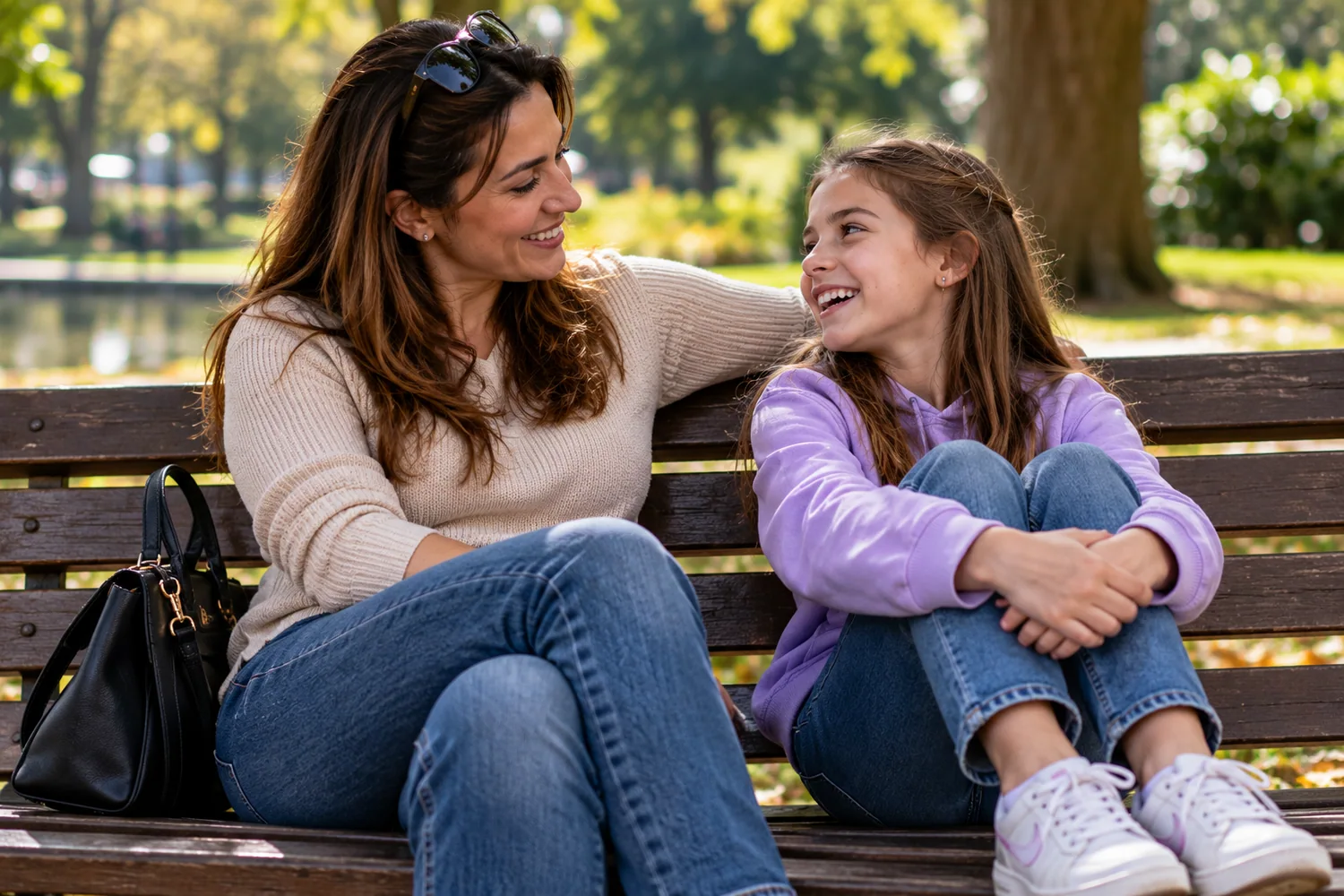
21 October 2026
Eye contact can help organise conversation, but gaze direction is not a dependable test of truth, confidence or interest.
Read article
21 October 2026
A turn of the shoulders or chair may signal a change in attention, but screens, seating and tasks also shape how people face one another.
Read article