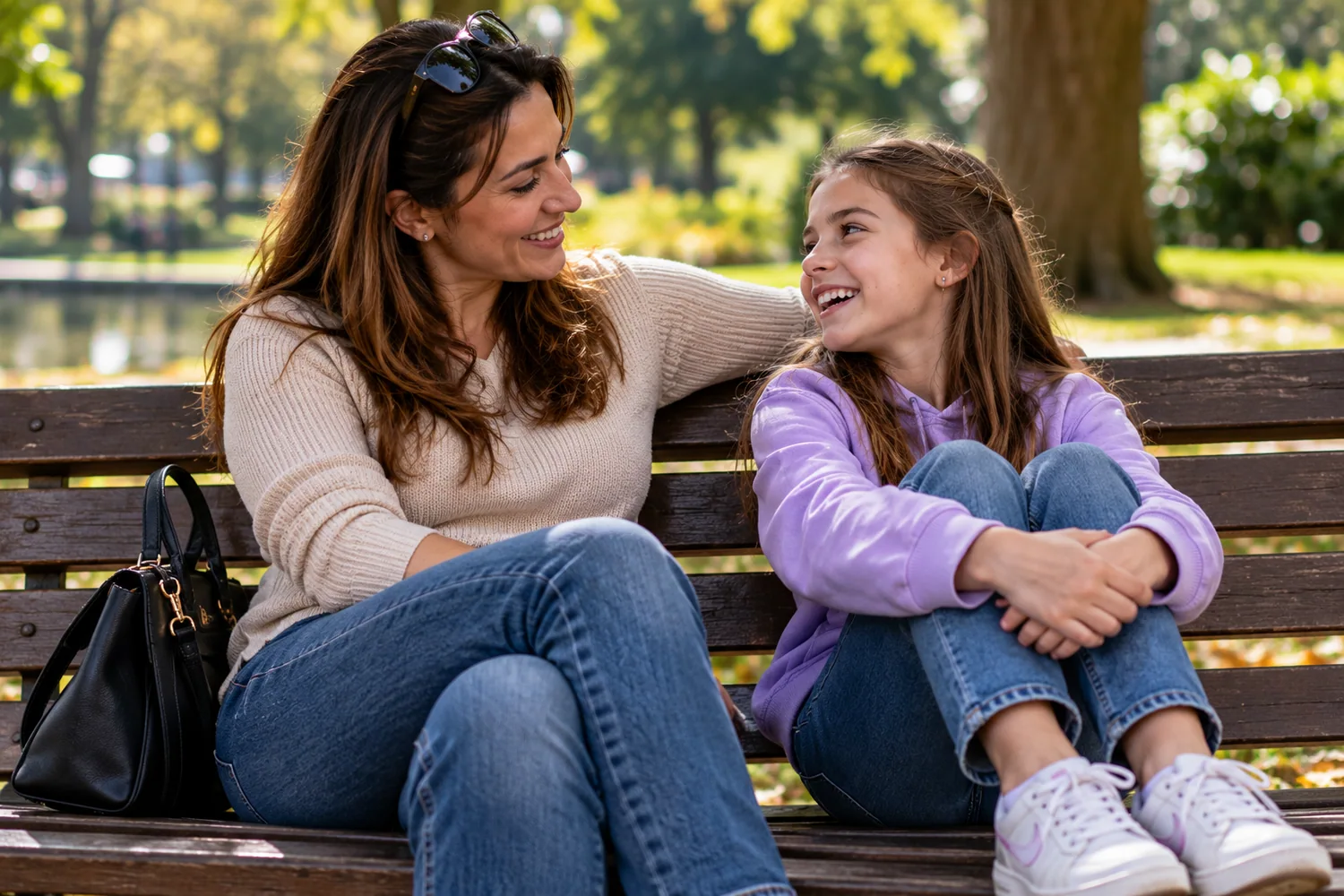

People bring different histories, habits and social expectations into every interaction. A greeting gesture that feels natural to one person may be unfamiliar to another. Eye contact, personal distance and gesture intensity can also vary. Recognising this variation is a reason to remain curious, not an excuse to assign a fixed behavioural rule to a whole culture.
Avoid treating groups as identical
Statements such as 'People from this culture always avoid eye contact' replace one oversimplification with another. Within any community, individuals differ by situation, age, personal preference and experience. When observing someone, their actual behaviour matters more than a stereotype about where they come from. Respectfully asking about preferences is often clearer than guessing.
Greetings take more than one form
Some people greet with a handshake, bow, wave or verbal acknowledgement. Others use different greetings in formal and familiar settings. A person who does not extend a hand may be following a social convention, managing an object or simply not expecting a handshake. A greeting is an interaction to negotiate, not a hidden test of respect.
Gaze and space are contextual
The amount of eye contact that feels comfortable can vary by individual and setting. Personal distance may change in crowded transport, a workplace or a family gathering. Noticing those changes is worthwhile, but it is misleading to rank a person as trustworthy or unfriendly based on a rule that assumes everyone has the same preferred pattern.
Gestures require local meaning
A familiar hand sign may carry a different meaning elsewhere, and some gestures can be rude in particular settings. When a movement is unclear, look at the surrounding action and words rather than assuming the meaning that seems obvious to you. If misunderstanding matters, ask politely what the person intended.
Describe, then check
Imagine a visitor who smiles, takes a small step back and declines a handshake while continuing a friendly conversation. The visible sequence is clear; the reason for declining touch is not. Offering a verbal greeting and respecting the distance solves the practical problem without a speculative judgment.
Build a respectful observation habit
Write down one gesture you interpreted quickly today. What assumptions did you bring to it? Could the person's background, role, physical comfort or immediate task have offered another explanation? SEE teaches that context is not a footnote to body language; it is part of the behaviour's meaning and of the respect owed to the individual.