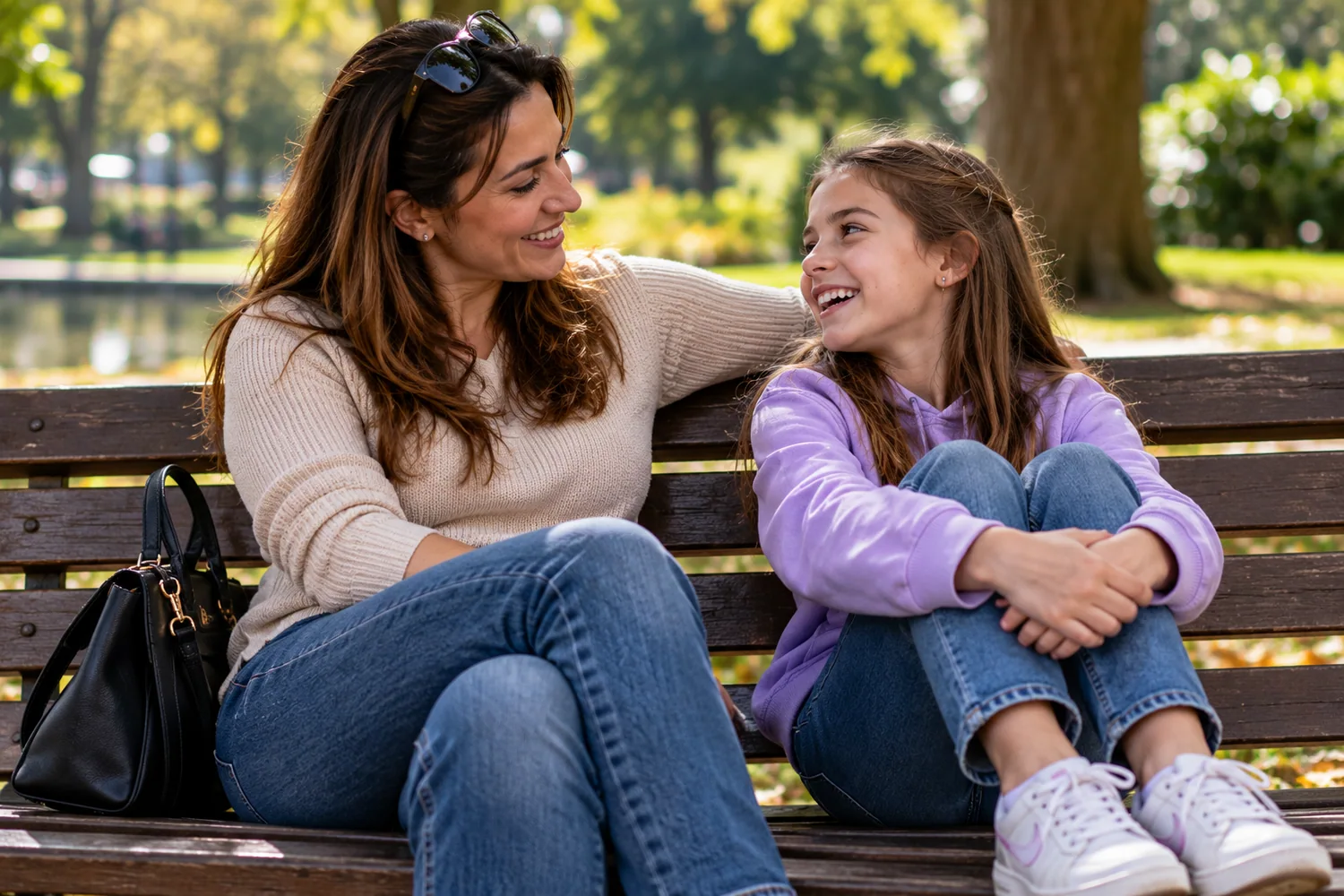

Being observant is not the same as being certain. You can notice a great deal about posture, gesture, distance and facial movement while still being unsure what any of it means. The most useful skill is often the discipline to keep an observation separate from an assumption.
Step one: describe only what is visible
'He looked towards the door twice' is an observation. 'He wants to escape' is an interpretation. The first can be checked by another observer; the second needs more evidence. Begin by choosing words that do not smuggle emotions or motives into a physical description. This makes your notes clearer and fairer.
Step two: include the scene
Notice what the person was doing, who else was present and what objects or obstacles shaped the movement. Someone stepping away during a conversation might be making space for another visitor. Someone looking down could be reading a message relevant to the discussion. Context supplies competing explanations that a gesture alone cannot provide.
Step three: compare with the person's baseline
When you know someone, you may notice that a movement is unusual for them. When you do not, say so. A stranger's crossed arms tell you little about whether that is their normal posture. Even familiar baselines vary with tiredness, environment and task. A change is a clue to explore, not a verdict.
Step four: follow the sequence
Watch what happens before and after a visible change. A foot turning towards a doorway followed by someone picking up their bag may fit preparation to leave. The same foot direction followed by a long conversation suggests a more complicated moment. Time adds information that one photograph cannot supply.
Step five: invite clarification when appropriate
In real relationships and workplaces, asking a straightforward question is often more respectful than quietly deciding someone's motives. 'Would you prefer a break?' or 'Did you want to add something?' invites useful information. Nobody owes a stranger an explanation of their body language, so let the person's response and boundaries guide you.
A simple daily exercise
Choose one short everyday interaction. Write three lines: what you saw, what else might explain it and what you would need to know before concluding anything. Try again the next day with a different context. SEE's method — Observe → Interpret → Check → Reconsider — develops judgement by making uncertainty explicit, not by pretending it can be eliminated.
Practise resisting the first story
In a public library, someone looks repeatedly towards the entrance while a friend speaks. A quick interpretation is that they want to leave. But a delivery is expected, and the person is checking whether the courier has arrived. A useful observer asks what in the setting might explain the gaze before naming an intention. The same movement may be linked to an obligation completely separate from the relationship between the speakers.
Separate three statements: what happened, what might explain it, and what evidence would confirm it. The middle statement should allow alternatives. If the conversation provides no further information, uncertainty is the appropriate conclusion, not an invitation to keep guessing.
Try this observation exercise
Take one ordinary gesture and write three plausible explanations from different domains: physical, practical and social. Identify one question that would help you check them respectfully.