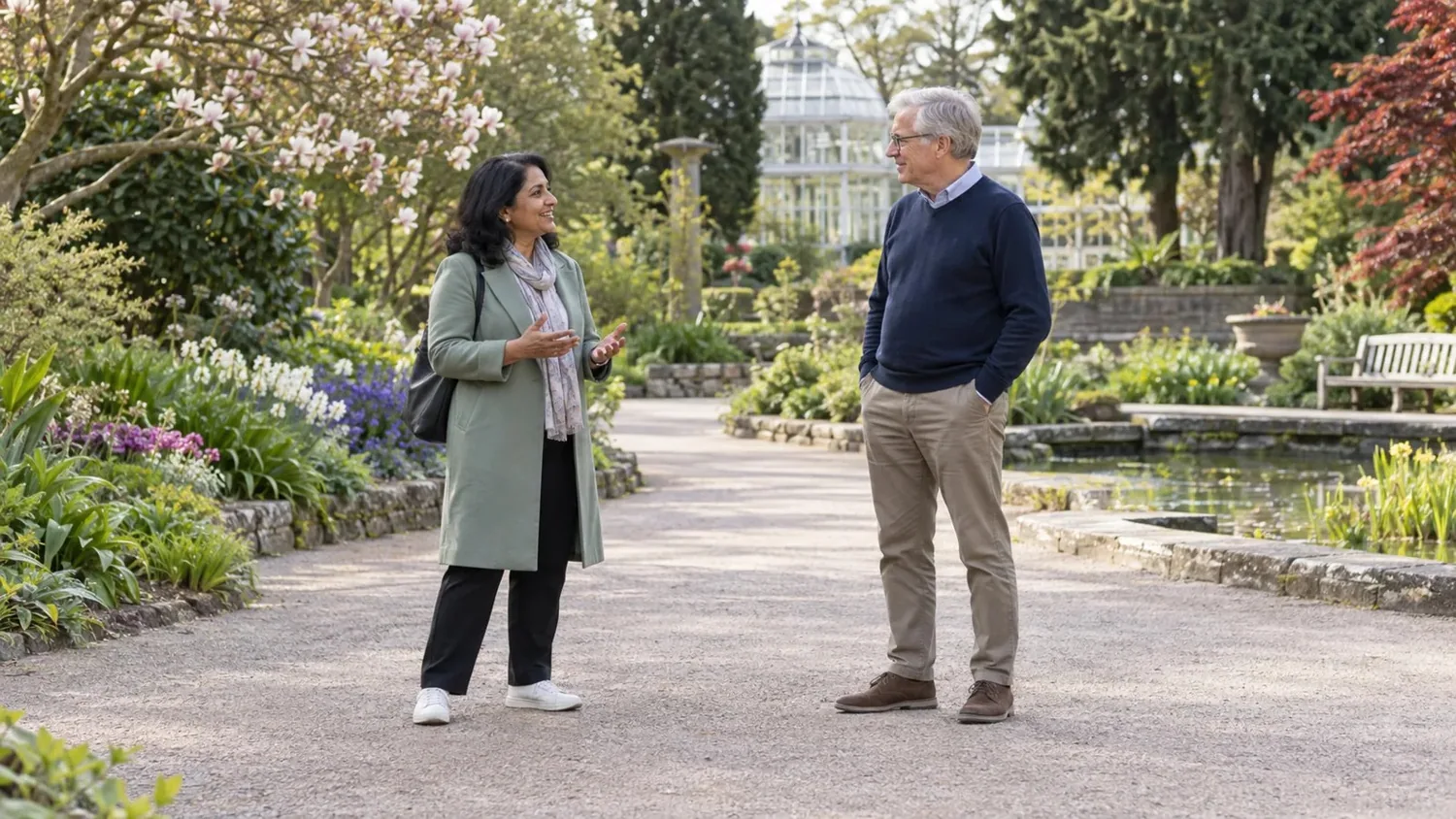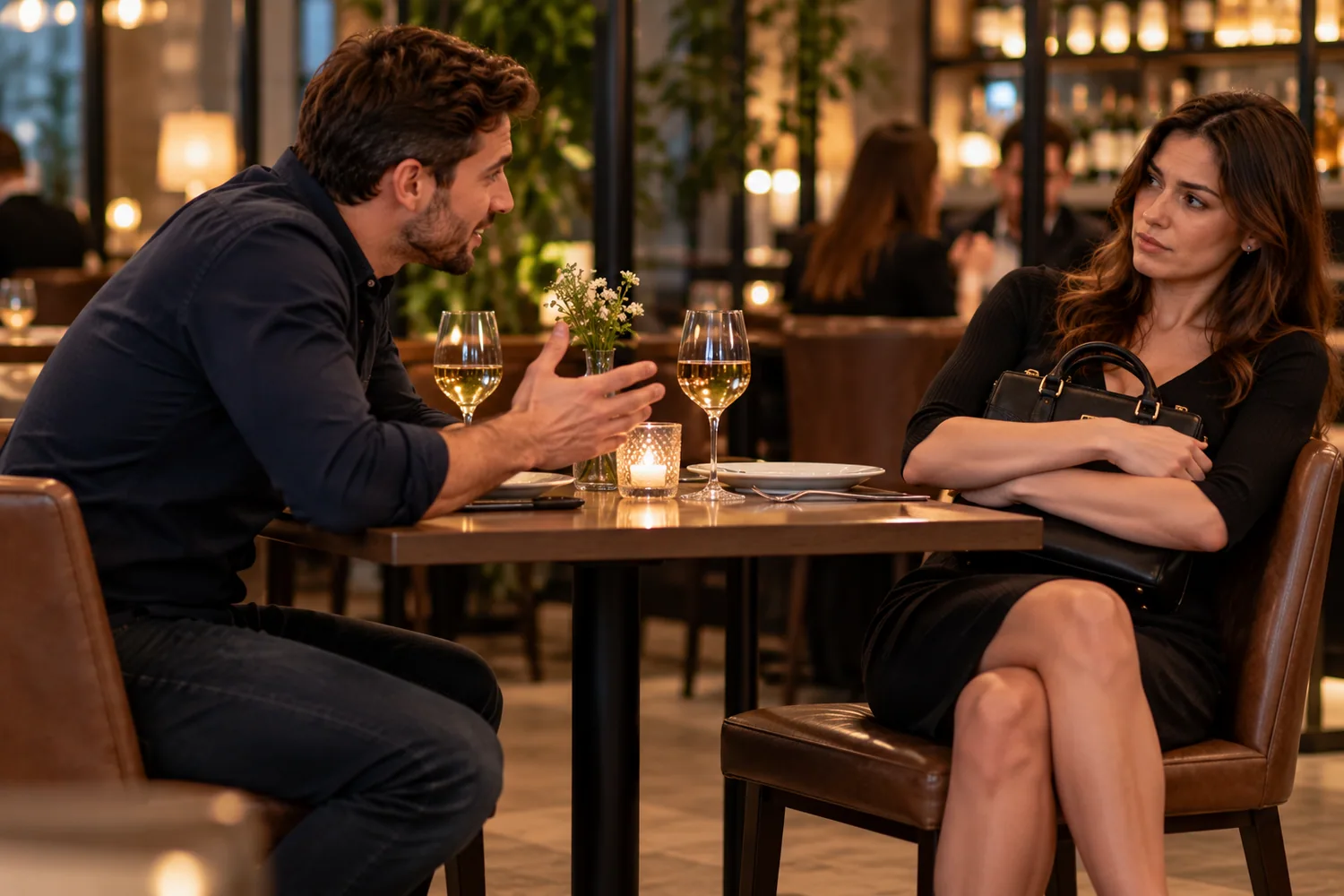
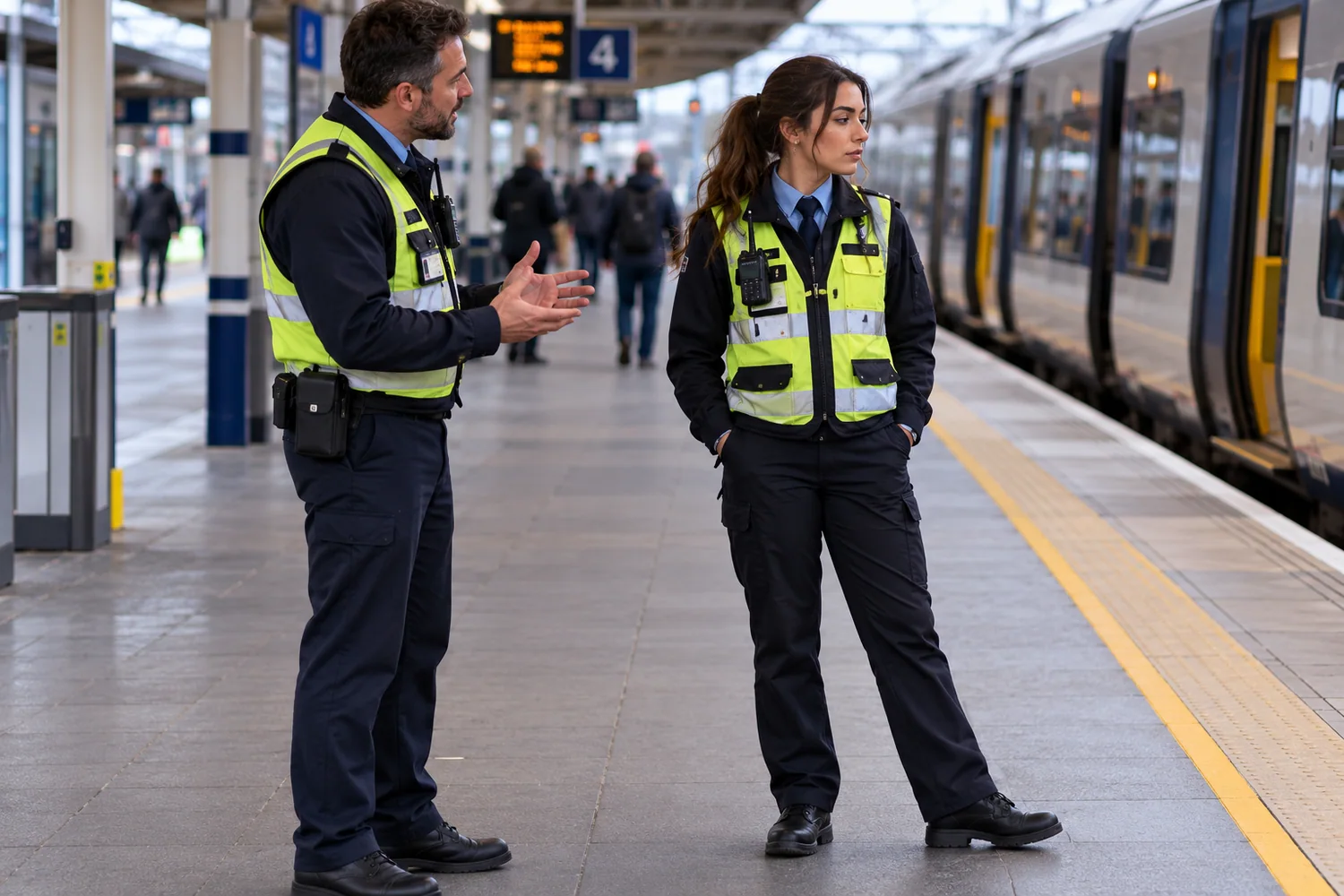
In a busy station, people step sideways, angle their shoulders and glance behind them constantly. These movements can look like avoidance, impatience or uncertainty when seen without context. Often they are simply the work of navigating a shared space. Personal-space observation begins with the environment, not a guess about character.
Map the available room
Where are the doors, barriers, stairs, bags and other people? A person may step closer because the platform narrows, not because they want contact. Another may turn sideways to let a passenger through. The physical layout determines which movements are possible. Without noticing it, an observer may mistake crowd management for a personal message.
Gaze may be directed towards safety or information
Looking repeatedly along a platform may be about checking train arrivals or locating a companion. Looking over a shoulder may be a routine response to movement nearby. Such actions become easier to understand when you know what information people need in that setting. The same glance in a quiet living room would have different surrounding possibilities.
Distance is negotiated through movement
Two people in conversation may shift positions as others pass. If one steps back, the other may stay put or adjust in turn. Those changes can show how space is being managed. They do not automatically measure trust or affection. Respecting someone's preferred distance is often more important than discovering why they prefer it.
Include mobility and sensory differences
People move in different ways and may need extra room for mobility aids, luggage or personal comfort. A quick sideways motion can reflect balance or a practical need rather than a reaction to a particular person. Observing fairly means allowing physical and environmental explanations, even when you cannot know which one applies.
When a boundary seems clear
If someone continues moving away as another person approaches, giving them space is a sensible response. You do not need to decide whether they feel frightened, irritated or distracted. A visible preference for distance can be respected without imposing an emotional label. In crowded settings, this simple principle can make interactions smoother.
Practise on a public-space scene
Look at a photograph of a station or queue. Mark three obstacles and two routes through the scene before describing anybody's posture. Then note one movement that could have several explanations. SEE's situational approach asks you to look again at what the environment makes likely before deciding what a gesture might mean.