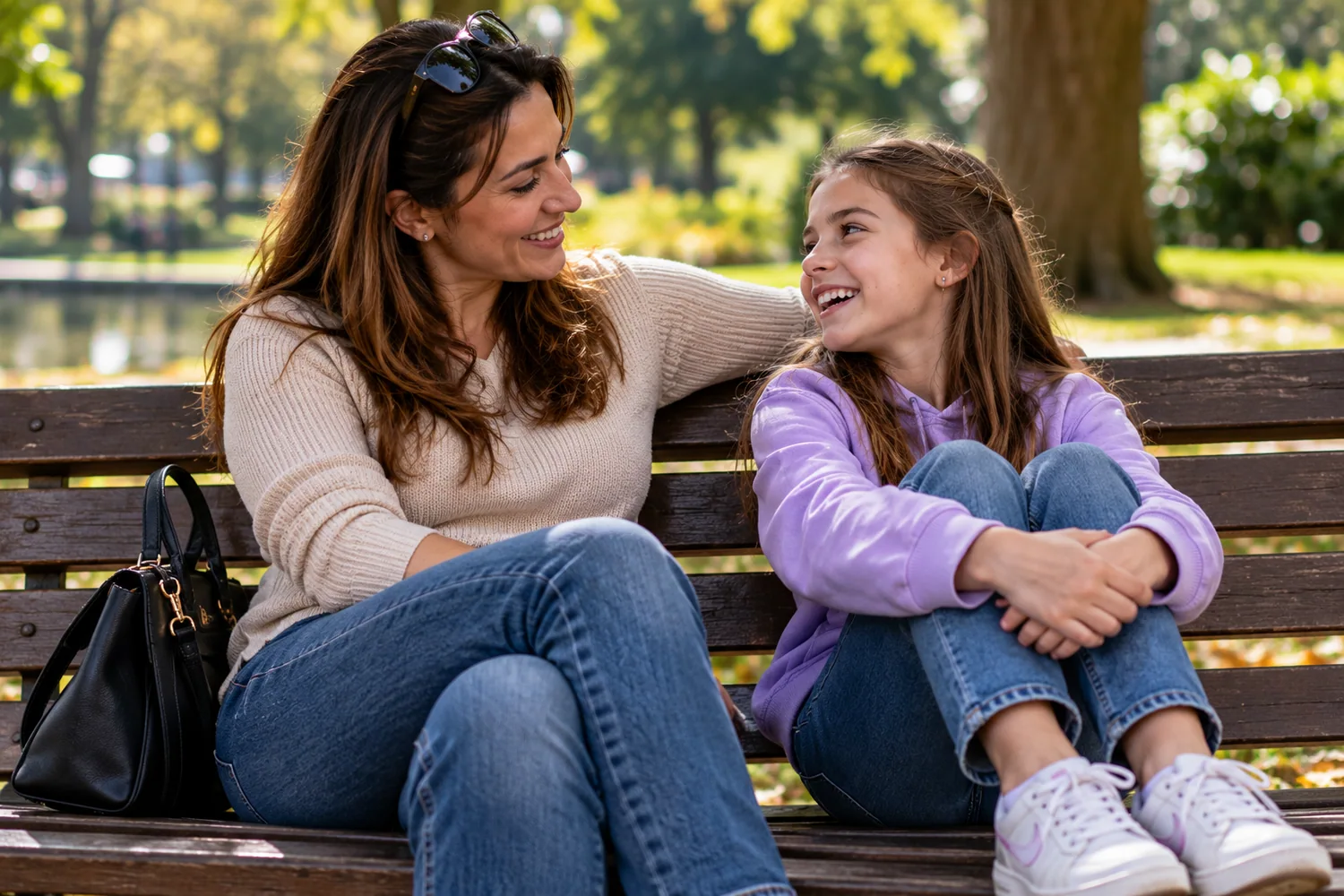
Posture and body orientation can tell us a great deal about how people physically position themselves within an interaction.
People lean forward, sit back, turn towards someone, angle their body away, straighten their posture or change position throughout a conversation.
SEE trains you to notice these changes before trying to decide what they mean.
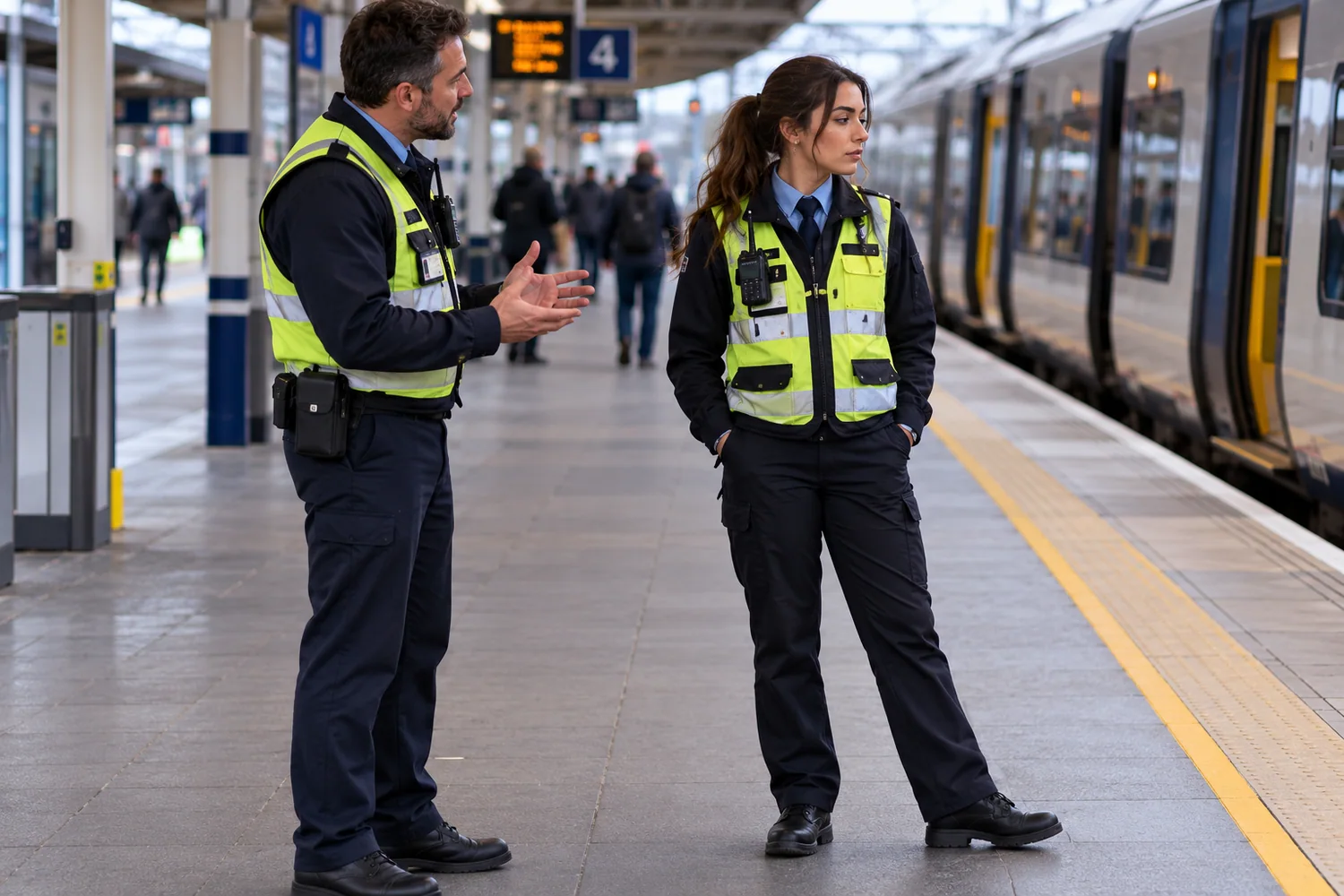
Start With the Whole Body
Before concentrating on individual gestures, look at the person's overall position.
Are they:
- leaning forward or backwards?
- sitting upright or slouched?
- turned directly towards someone?
- positioned at an angle?
- shifting their body during the conversation?
- creating or reducing distance?
These observations provide context for the smaller movements you may notice later.
Notice Orientation
Where the body is pointing can be interesting to observe.
A person may be speaking to someone while their torso remains oriented elsewhere. Two people may gradually turn towards each other as a conversation develops. Someone may reposition their chair or change the direction of their body when another person enters the room.
The important question is:
What changed?
Orientation alone does not tell us why someone is positioned in a particular way.
The environment, available space, furniture, other people and the activity taking place can all influence body position.
Watch for Changes in Posture
Changes can be more useful to observe than a posture held for a long period.
Imagine two people having a relaxed conversation.
Both are sitting back comfortably.
A new subject is introduced and one person suddenly sits upright, moves forward and becomes noticeably more attentive.
Something changed.
That doesn't tell us exactly why it changed, but it gives us a moment worth observing more closely.
The same applies when someone moves backwards, turns slightly away, closes the distance between themselves and another person or changes from an open position to a more compact posture.
Space Matters
Posture and orientation also interact with the space around us.
People constantly adjust their position according to their environment and the people nearby.
Someone might move closer because they cannot hear properly. Another person might turn sideways because somebody needs to pass. A person may lean backwards simply because their chair is more comfortable that way.
Without context, these movements can easily be misinterpreted.
That's why SEE encourages you to observe the situation as well as the person.
Look for Patterns
One movement should rarely be treated as evidence of anything.
Instead, notice whether a change in posture or orientation happens alongside other changes.
Perhaps someone:
- turns their torso away
- moves their chair backwards
- crosses their arms
- stops gesturing
- changes their facial expression
Several changes occurring together may make that moment worth another look.
But even a cluster does not automatically explain what someone is thinking or feeling.
Observe first. Consider the context. Look for changes and patterns.
Train Your Observation
In the Posture & Orientation exercises, practise seeing the position of the whole body.
Notice direction, distance, leaning, turning and changes in position.
Don't rush to interpret what you see.
Watch the situation.
Notice what changes.
Then look again.